
Understanding the Basics of Effective Landscape Design
A well-planned landscaping project can transform any outdoor space into a beautiful, functional area. By understanding key elements, you ensure your landscape not only looks great but also serves its intended purpose. It’s essential to consider aspects like layout, plant selection, and sustainability. These elements help create a cohesive and appealing environment. Whether you’re a homeowner looking for a backyard oasis or a business aiming to impress clients, an effective plan is vital.

The Importance of Site Analysis
Site analysis is one of the most crucial steps in planning a landscaping project. This involves assessing the terrain, soil quality, climate, and existing vegetation. Understanding these factors helps in making informed decisions regarding which plants will thrive. Landscaping services often start with this step to ensure long-term success. A thorough site analysis allows you to address potential challenges early on, avoiding costly mistakes down the line.
Designing for Functionality and Aesthetic Appeal
Balancing functionality with aesthetics is essential for any landscaping project. Consider how you want to use the space-whether it’s for relaxation, entertaining, or as a safe play area for children. Thoughtful design should integrate both hardscape elements like patios and pathways with softscape components such as flower beds and trees. Many rely on professional landscaping services to achieve this balance effectively. The goal is to create an inviting space that meets all practical needs while still being visually pleasing.
Selecting the Right Plants for Your Landscape
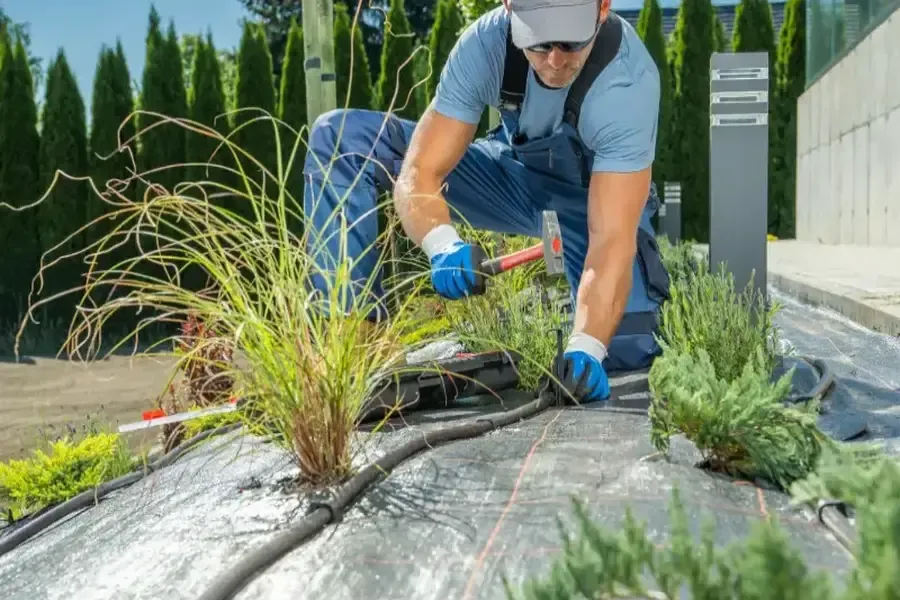
Choosing the right plants ensures the health and longevity of your landscape. Consider factors such as growth rate, maintenance requirements, and compatibility with your local climate. Native plants are often recommended because they are naturally adapted to the environment and require less care. Additionally, incorporating a mix of colors and textures adds visual interest and creates a dynamic landscape.
Incorporating Sustainable Practices
Sustainability is becoming increasingly important in modern landscaping projects. Implementing eco-friendly practices can reduce water usage, minimize waste, and support local wildlife. For instance, using rainwater harvesting systems and selecting drought-resistant plants can conserve resources. Mulching garden beds helps retain moisture, reducing the need for frequent watering. These practices not only benefit the environment but can also result in cost savings over time.
Planning for Maintenance and Longevity
An effective landscaping project includes a maintenance plan to keep it looking its best over time. Regular tasks might include pruning, fertilizing, and pest control. When planning, consider the level of upkeep needed for different elements. Low-maintenance options are available for those who prefer minimal involvement. Proper planning ensures your landscape remains healthy and vibrant for years.
Cost Factors Involved in Landscaping Projects
Understanding the costs involved in a landscaping project helps in budgeting effectively. Costs vary based on factors like size, complexity, materials used, and labor. While initial expenses may seem high, investing in quality materials and skilled professionals can prevent future repairs or replacements. Consider the return on investment in terms of property value increase and personal enjoyment.
Final Thoughts on Creating Your Ideal Landscape
Creating a well-planned landscape requires thoughtful consideration of many factors-from design principles to sustainable practices. For successful execution, having a clear vision and working with experienced professionals is essential. At C Pablo Landscaping, we offer expert advice tailored to your specific needs. Located in Bremerton, WA, our team provides comprehensive solutions to bring your dream landscape to life. Contact us at (360) 551-2761 to discuss your next project.